Spring Into Safety: Physical Stress & PPE Evolution
UA Local 787 and JTAC have partnered with The Canadian Institute for Safety, Wellness, and Performance (CISWP) and the WSIB-funded initiative MOSAIC, on their mission to use real-world trades industry data to inform better PPE for Canadian workers.
Freeze Dried Fodder on the Origins of PPE
Ötzi the Iceman, generally considered the “oldest intact natural mummy,” was unearthed in 1991.
He was 5’2, over 5,000 years old, and was found in near-perfect condition, having been essentially freeze dried in the frigid Italian Alps where he was found.
We could spend this blog recounting endless details about this Copper-Aged Time Capsule, but instead we’ll share just one fascinating Ötzi fact:
The dude died wearing hiking shoes.
This wasn’t basic footwear, either. These were specialized hiking boots with bearskin soles, deerskin uppers, and a net-style mesh frame designed to hold insulation while covering his feet—essentially built for the exact conditions he was in.
Let’s think about that for a second.
Our ancient alpine trailblazer lived before the building of the Great Pyramids.
The alphabet is still 1,500 years away.
“The wheel” hasn’t yet reached Europe.
But our guy is wearing PPE (Personal Protective Equipment).
It’s unlikely he referred to it by the same name, but it operated the same way in practice; specialized gear, built to protect against very real hazards.
This tells us a lot about humanity—and our priorities. Humanity has been venturing into dangerous situations with hazardous elements for as long as we’ve been around, and we’ve discovered that protecting our feeble, fragile, biological shells is helpful to our survival.
And although we don’t know the true origins of Ötzi footwear, (Did he make them? Were they repaired frequently and handed down from person to person? Were they made custom for him, or made explicitly for the task he was on?) we can make one reasonable assertion: He probably didn’t buy them mass-produced at the store. That tells us something else important about the earliest form of protective gear: PPE didn’t materialize from some benevolent organization; it was developed by the people who needed it.
Origins of Modern PPE
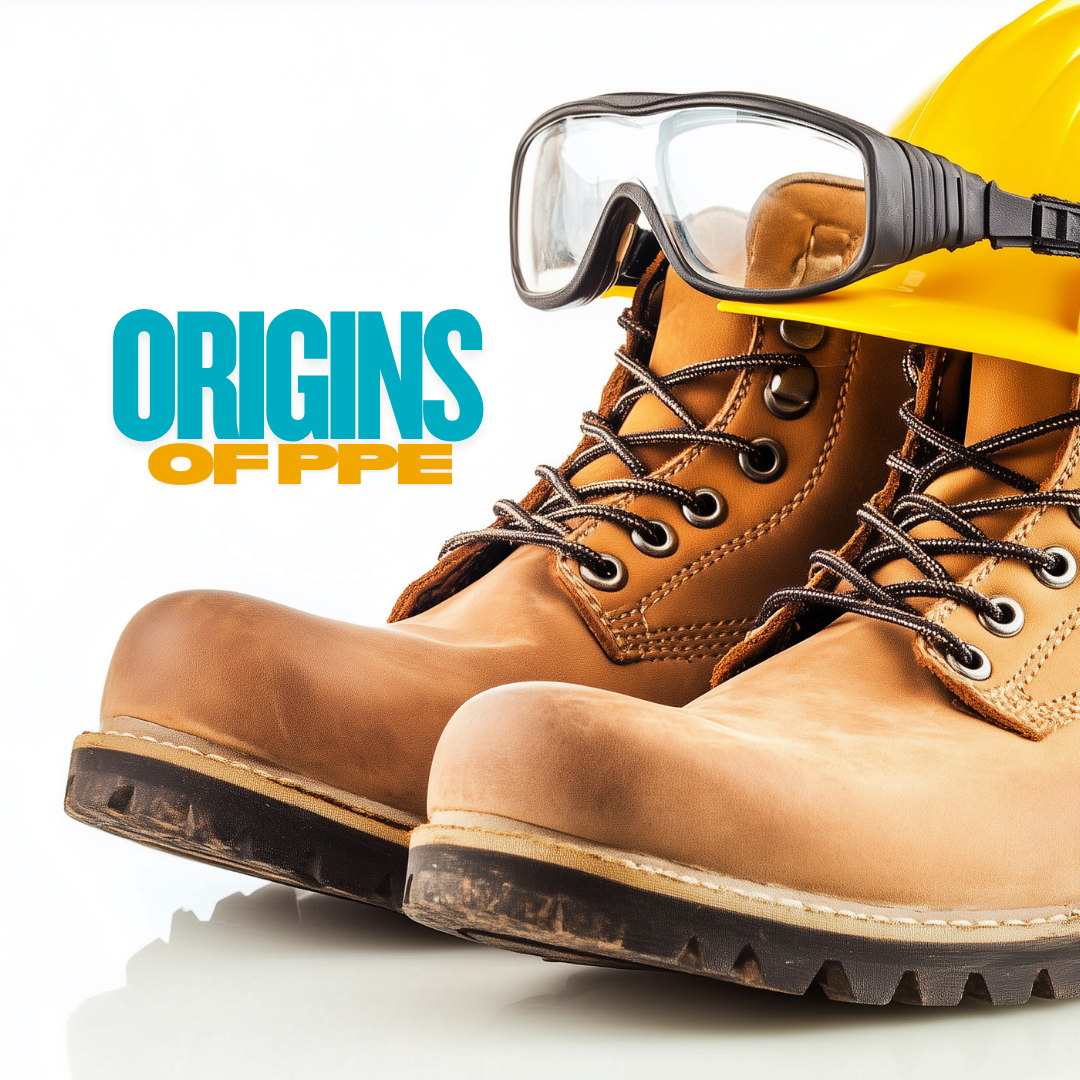
The origins of modern PPE are notably bleak. Think heavy hide aprons. Crudely made helmets. Miners wrapping cloth around their faces to avoid breathing coal dust.
Was it comfortable?
That probably mattered less than “does it work?”
Time skipping all the way to the Industrial Revolution, when factory-based work was the catalyst employing the masses, and we see eye-watering levels of new, terrifying danger: heavy machinery, treacherous tools, chemicals of varying degrees of nastiness with multiple methods of exposure. There's a reason we have a national day of mourning for victims of workplace accidents (April 28th, btw).
Thankfully, Canada was already adopting workplace safety regulations by this time, such as the Factory Act of 1884, Ontario Workmen's Compensation Act (1915), and The Mining Act of 1906.
By 1979 Canada had established the Ontario Occupational Health and Safety Act, the Canadian Centre for Occupational Health and Safety (CCOHS), and The Department of Labour (est. 1900), now known as Employment and Social Development Canada (ESDC), (History of Industrial Workplace Safety in Canada) and both federal and province-specific regulations were well underway.
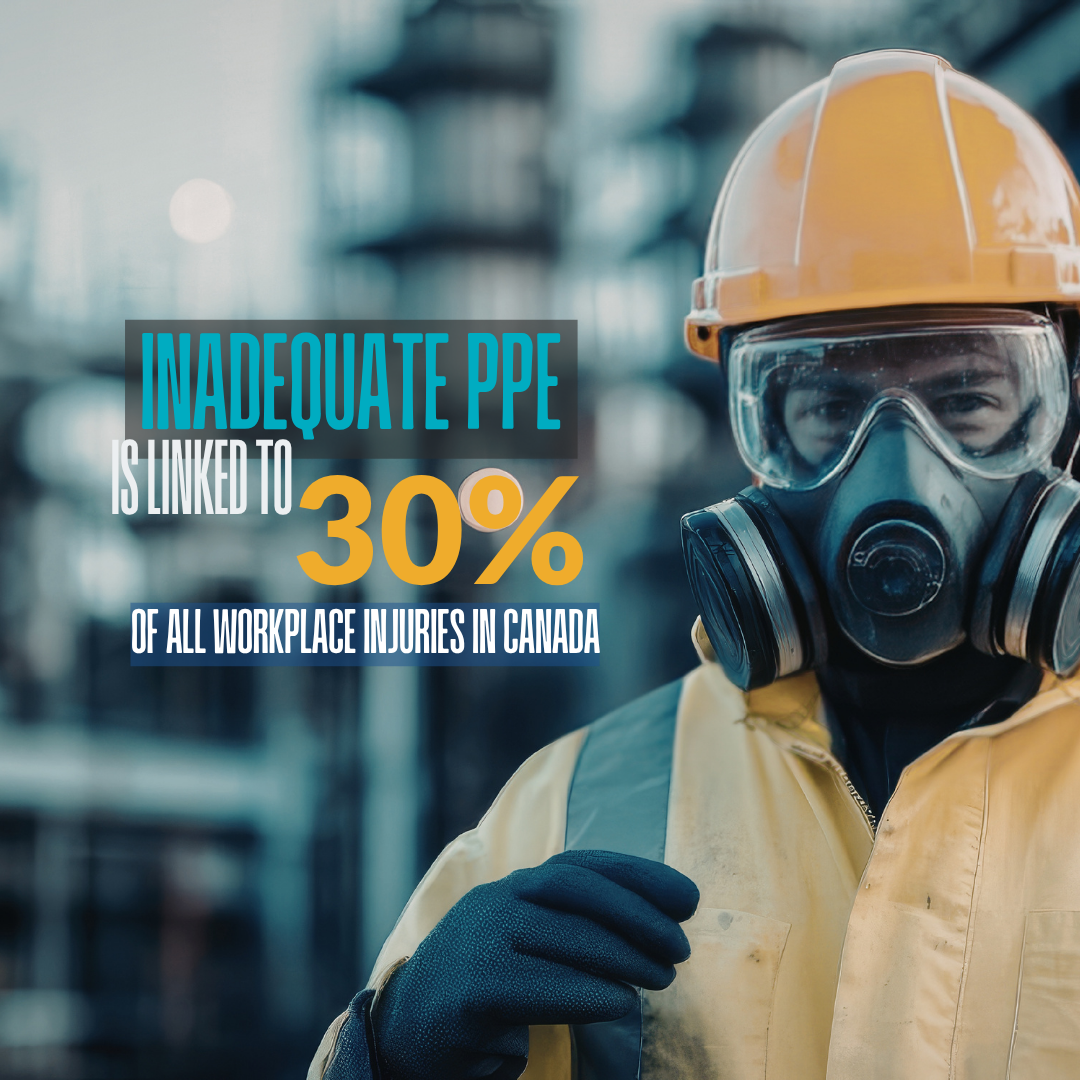
Ongoing improvement to safety standards (including PPE) matters. Consider that the Canada Safety Training Centre’s “Most Common Occupational Safety Violations in Canada” cited WorkSafeBC data highlighting that inadequate PPE has been linked to nearly 30% of all workplace injuries in Canada. And inadequate refers to a few critical things. The worker may have access to PPE—but the gear may not have fit properly, or worked effectively—resulting in it being used incorrectly or not at all due to poor fit, discomfort, limited availability, or lack of training. There’s also the reality that PPE is often designed to protect against hazards first, but not always designed to be practical for the work itself.
Anyone who has ever tried to work in ill-fitting gloves knows that the work is going to be harder, slower, and of poorer quality. We may reason to ourselves that “at least it provides some safety protection.” But even this may not be the case. Ill-fitting PPE can lead to reduced use overall or even increase hazards like slips, trips, and falls.
So let’s take a quick peek back at Ötzi, because there’s something noteworthy about his PPE that still rings true today:
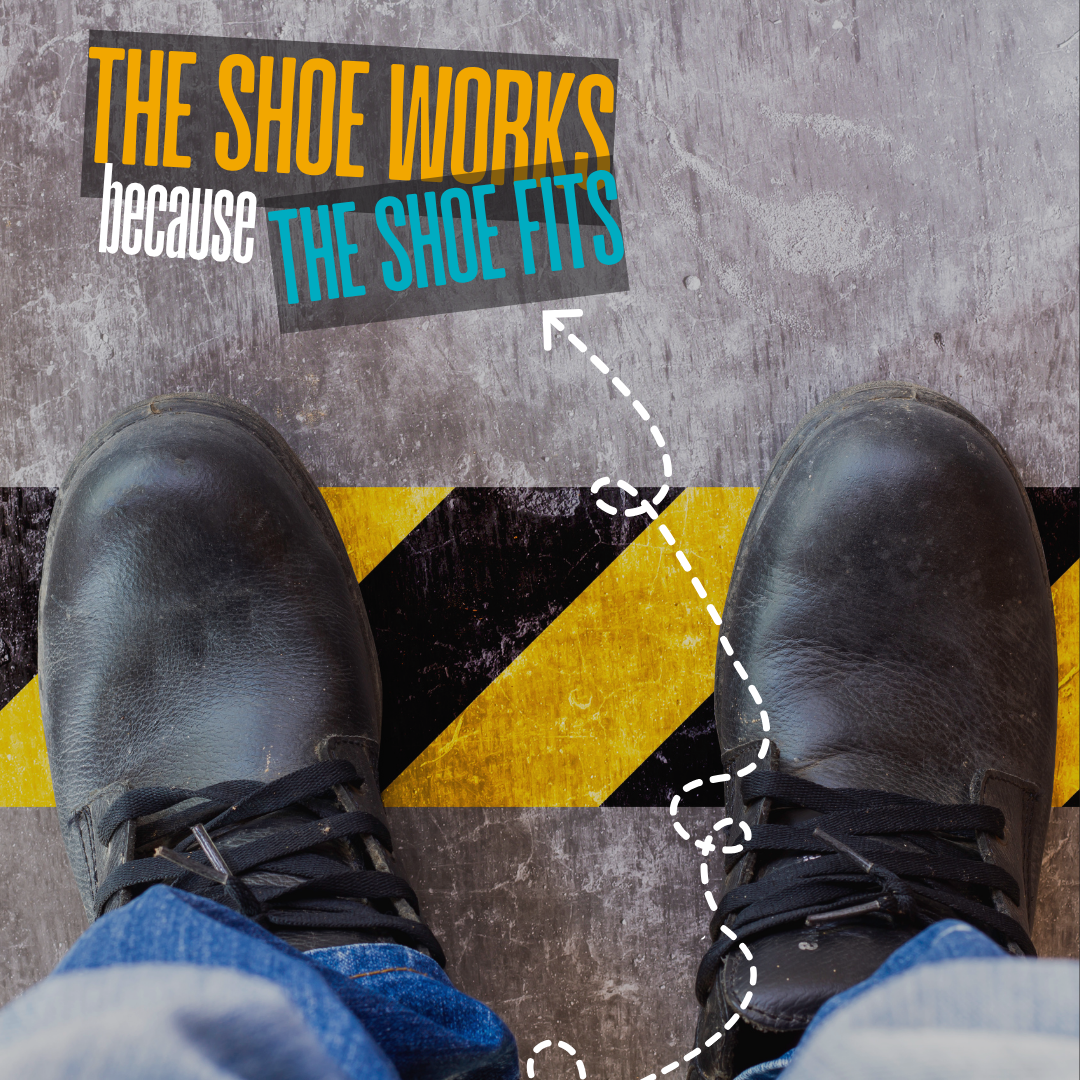
He used it for two simple reasons—The shoe worked. And the shoe fit.
Ötzi wouldn’t have made it very far in footwear that didn’t fit properly or didn’t do the job it was meant to do.
It’s likely that Ötzi footwear was made with at least some consideration to his own needs, such as his personal foot size. Oddly enough, as advanced as our PPE is today, the industry still struggles to keep up with that facet of design: When we mass produce gear, we do it at the expense of individual tailoring. That might really be the difference between full protection, some protection…and no protection at all.
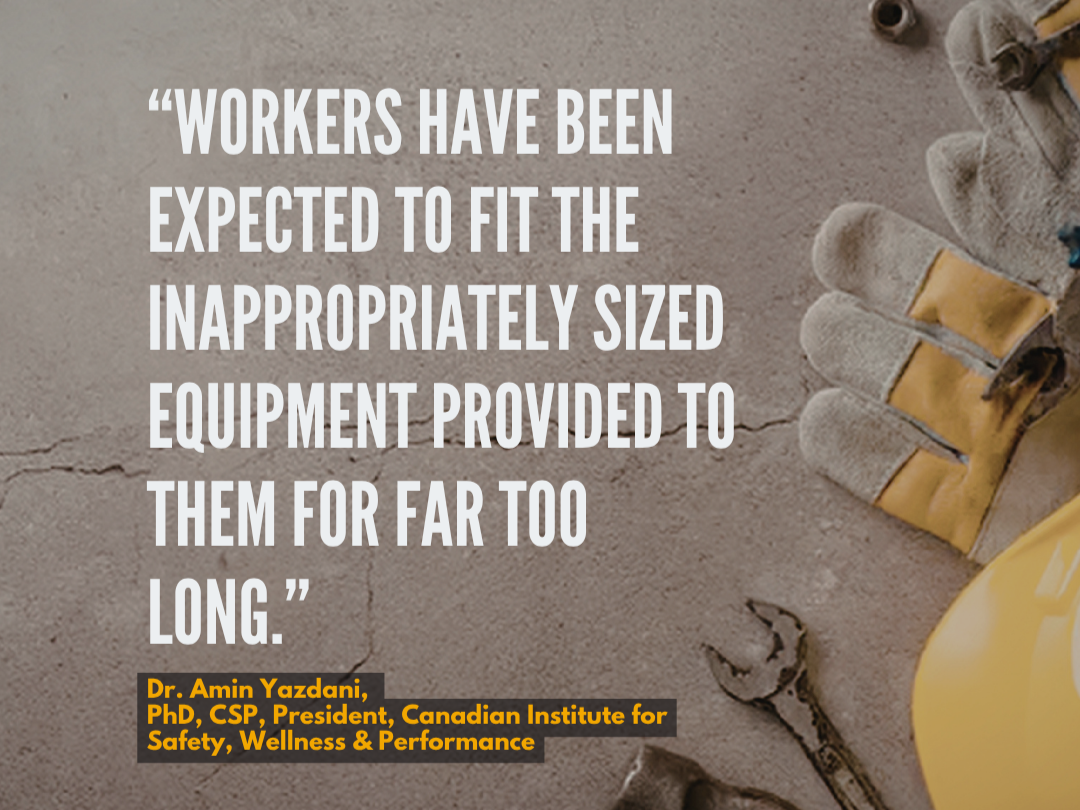
It’s worth considering that ill-fitting or poorly designed PPE creates a double-edged sword for the worker; not wearing PPE exposes one to major risks, but wearing poorly designed PPE may hinder protection coverage, or even increase risk of additional injury (e.g., if your safety harness is the wrong size, you could injure yourself in it or, worse, slip out of it.)
Protective gear may be viewed by some as a “solved problem,” but we are happy to report that scientific research on safety equipment has far from closed the book on innovation and development. In fact, UA Local 787 and JTAC have partnered with The Canadian Institute for Safety, Wellness, and Performance (CISWP) and the WSIB-funded initiative MOSAIC, on their mission to use real-world trades industry data to inform better PPE for Canadian workers.
Strap into your safety shoes. We’re stepping into a safety-inspired journey.
Real-World Research with Industry-Grade Results
First, let’s take a look at the Key Players in this research product.
Our Key Players
MOSAIC: Multivariate Occupation-Specific AnthropometrIC Database
A WSIB-funded, CISWP-led initiative in Canada that is creating a job-specific database of real worker body measurements and strength data to help design better-fitting, more effective PPE, tools, and equipment.
Canadian Institute for Safety, Wellness, and Performance (CISWP)
An independent Canadian not-for-profit research institute that uses real-world data to improve worker safety, wellness, and performance by developing practical solutions for today’s workforce.
Dr. Amin Yazdani, President
Dr. Amin Yazdani, PhD, CSP (Kinesiology, specialization in Work and Health, University of Waterloo), is the President of CISWP and a CSP leader in workplace safety, accessibility, and human factors. A Board Certified Safety Professional, his work focuses on preventing injuries, improving job accessibility, and advancing evidence-based practices for a diverse workforce.
How Our Key Players Fit Together
Dr. Amin Yazdani, Founder and President of CISWP, is spearheading the development of the critical safety research driving this research initiative project. And this area of research has long been overlooked: As workforces change, the tools, gear, and protective equipment should reflect those changes. Real measurements, body sizes, shapes, and physical capacities of people working in the trades should be used to guide the optimization of the most effective tools, gear, and PPE.
CISWP is the not-for-profit, independent research institute leading the generation of real-world, industry-relevant, human-driven data on the skilled trades workforce. Their work is grounded in an applied research model (meaning it’s obtained out in the field, not in theory). They are collaborating directly with the practical industry, working with employers, workers, training centres (like JTAC!) and industry-related communities to ensure the data they are collecting is current, accurate, scalable, and reflective of our actual workforce. Researchers are engaging directly with manufacturers and historically underrepresented worker groups—including women and persons with disabilities—to better understand the challenges caused by poor fit and limited sizing options.
The research collected will be accessible through MOSAIC, Canada’s first job‑specific anthropometric and strength database. The database provides manufacturers (producers of industry-related tools, gear, PPE, etc.), institutions, and industry players with accurate, occupation‑specific body measurements and strength profiles that reflect today’s diverse workforce.
As MOSAIC continues to grow, it will provide a modern, continually updated database that aims to support the creation of better‑fitting, more inclusive PPE, tools, and equipment designed for the full range of worker capabilities and safer and more comfortable work across high‑risk sectors.
Why Do We Need This Research?
Remember earlier when we noted 31% of workplace fatalities reported across Ontario were in the construction sector? (That’s us!) And while it’s true that sectors like paramedic, emergency services, and construction face increased risk of workplace injury and illness, construction’s 31% is the highest percentage of any sector.
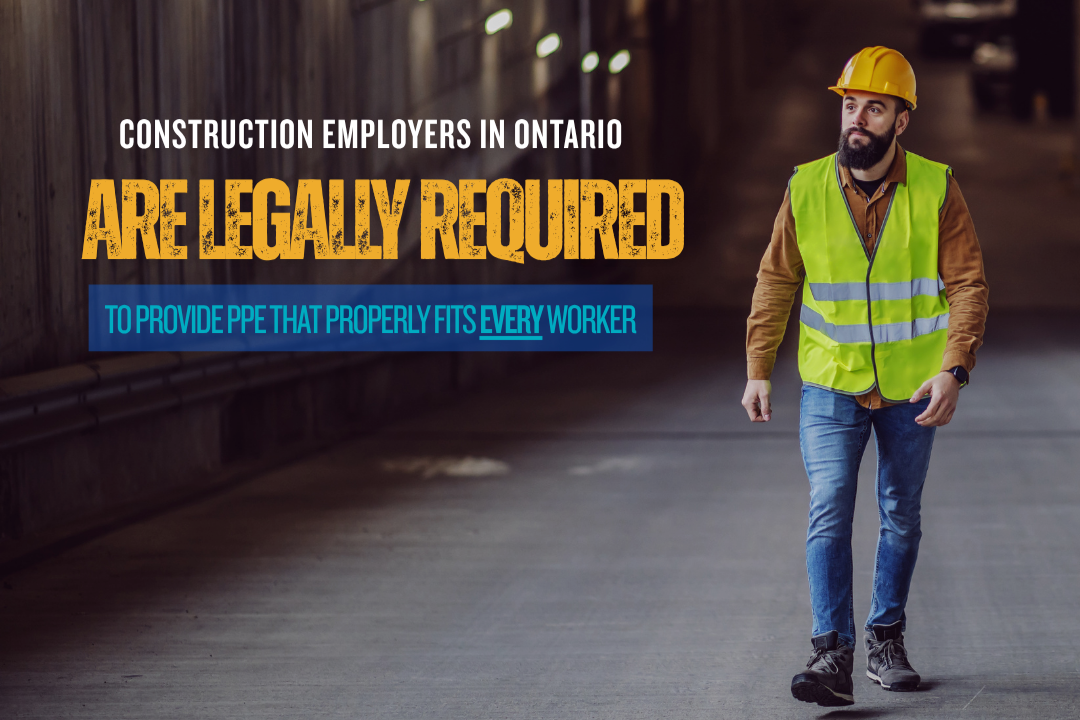
In construction, and specifically in sectors like HVACR, workers can face extreme temperatures, high-pressure, strong chemicals, and hazardous environments. Poorly designed tools or ill-fitting PPE increase the risk of injury, discomfort, and noncompliance in use. Beyond that, construction employers in Ontario are now legally required to provide PPE that properly fits every worker.
Most of our current PPE designs are based on datasets collected outside of Canada, under modelling strategies that are neither local nor current. MOSAIC is Canada’s first job‑specific anthropometric and strength database, built to reflect the true diversity of today’s workforce. This project is collecting critical, real-world reflective data needed to design equipment and PPE that truly fits the full spectrum of today's more diversified workforce. As the MOSAIC database grows, workers and employers will benefit from what the data enables us to create: safer tools, more inclusive PPE, better ergonomic practices, and reduced injury risks across the industry.
In short, why do we need this research?
It fills an urgent industry gap.
It enables legally required, accessible PPE.
It can save lives.
Return readers know this Spring Into Safety Series is all about tackling stress. Being expected to work with gear and equipment that does not enable you to perform your job safely is…stressful. And that’s just the psychological stress.
Moreover, consider that physical discomfort is one of our bodies' most obvious stress triggers.
Sure, PPE is important, and yeah, it’s uncomfortable sometimes, but how stressful is it…really?
Ok, PPE can be uncomfortable, but the question is…does it have to be?
When we wear PPE that isn’t properly designed, how much damage can it actually cause? How important is comfort and fit? What is the relationship between PPE and health outcomes?
Great questions.
We asked those exact questions to the researchers at CISWP, specifically related to job site hazards and physical stress (it is a workplace stress-related blog series after all).
Their answers made a lot of sense, so we’re sharing them directly with you.
Q: Skilled trades workers often wear PPE for long shifts in physically demanding environments. What kinds of physical stresses or limitations can this create?
Wearing PPE for long, physically demanding shifts can create musculoskeletal strain, fatigue, heat stress, and reduced mobility, especially when equipment is heavy or poorly fitted. Ill‑fitting PPE can restrict movement, impair dexterity or visibility, and place added stress on joints and the back, increasing the risk of overuse injuries. Over time, discomfort and physical burden can also contribute to reduced endurance, slower reaction times, and higher injury risk, particularly in high‑risk construction environments.
Q: How important are comfort, fit, and usability when it comes to whether workers consistently use PPE?
Comfort, fit, and usability are critical to consistent PPE use. When PPE fits well and allows workers to move, breathe, see, and work comfortably, they are far more likely to wear it correctly and continuously. Poorly fitting or uncomfortable equipment is often adjusted, worn incorrectly, or avoided altogether, which undermines protection and increases injury risk. This is exacerbated by the inequities of who PPE currently fits, which highlights the ongoing importance of reflecting the diversity of the Canadian workforce.
Q: What should workers understand about the relationship between PPE, fatigue, and long-term health?
Workers should understand that PPE, fatigue, and long‑term health are closely connected. PPE that is heavy, restrictive, or poorly fitting can accelerate physical fatigue, strain muscles and joints, and increase stress on the body during long shifts. Over time, this added strain can contribute to chronic injuries, musculoskeletal disorders, and reduced work capacity. Well‑designed, properly fitting PPE helps minimize fatigue, supports safer movement, and plays an important role in protecting not just short‑term safety, but long‑term health and career longevity in the trades.
Ok, So How Does The Research Get Collected?
We’re glad you asked.
The marketing team here at UA Local 787 had the same question and reached out to the team at CISWP, who were kind enough to provide us with comprehensive answers!
CISWP has partnered with key industry figures, including unions like Local 787, to ensure their data is gathered using real workers who use the equipment and PPE that are being designed. CISWP will be on-site with Local 787 for MOSAIC data collection, bringing their state-of-the-art Mobile Research Lab in April 2026.
Participation is voluntary, but the actual research testing only takes about 15 minutes. Participants arrive at the training facility in a designated space set up with MOSAIC’s Mobile Research Lab. Once there, participants are provided with form‑fitting clothing and a private place to change. MOSAIC uses dynamic 4D body‑scanning technology to capture accurate measurements of the participant’s body, hands, and feet. Following the scans, participants conduct a brief set of strength and functional capacity tests.
The experience is respectful, efficient, and designed to reflect the real people doing the work.
As the team from CISWP describes:
MOSAIC captures over 100 detailed anthropometric measurements, including both static (i.e., standing, seated) and dynamic (i.e., walking, reaching) measurements, because workers don’t stay still on the job. To build a complete picture of real worker variability, we also use:
3D foot scanning for boot and footwear design
3D hand scanning for glove and tool-handle design
4D full body scan to capture movement measurements
Body composition analysis
Strength and functional capacity data.
This combination gives designers and safety professionals the most accurate, occupation‑specific information available in Canada.
CISWP believes that real workers must be appropriately represented in anthropometric databases. The diversity of Canada’s skilled trades workforce is increasing and the databases that are used to develop tools, equipment, and PPE for this population need to reflect that diversity.
Taking Body Measurements Makes Sense. What Other Outcomes or Results Would Make This Research a “Success”?
For CISWP, MOSAIC and Dr. Amin Yazdani “success” means using the data gathered to fuel the creation and sustained use of a truly representative, inclusive data resource that meaningfully improves how PPE and equipment are designed for skilled trades workers.
Their specific success markers?
Representative data coverage (a database reflective of the true representation of the full-range body type variation in the workforce)
Real‑world relevant data (collected from the workforce affected, while doing real on-the-job tasks)
Industry uptake and impact (key industry manufacturers, employers, and safety professionals actively using MOSAIC data to design, select, and specify PPE for workers)
Improved safety and inclusion (practical evidence of useable better-fitting PPE that reduces injury risk, increases compliance and addresses current gaps in fit and function)
Future‑readiness (keeping the database current as the workforce evolves, with a focus on emerging talent and underrepresentedgroups entering the trades)
Ultimately, success means MOSAIC helps shift PPE design from a one‑size‑fits‑few approach to inclusive, data‑driven solutions that protect everyone who does the work.
Sounds Like A Great Initiative. How Can Someone Get Involved & Stay Informed?
Most importantly: stay safe on the job.
Beyond that, CISWP recommends a few ways workers can get involved, stay informed, and make a difference:
Promote better PPE standards in your workplace
Speak up about fit, comfort, accessibility, or safety issues when recognized
Report problems early whenever they are noticed
Participate in trials or feedback opportunities when new PPE is introduced
Consider engaging with joint health and safety committees
It's also important to use the PPE we do have access to correctly and communicate proactively about experiences with PPE.
Related specifically to our upcoming participation with this research project, the trade workers and apprentices of Local 787 and JTAC can support PPE research in several ways, including:
Volunteering for on‑site studies, testing equipment (Thanks, Participants!)
Sharing feedback, or participating in interviews about their work experiences
Stay connected to entities that partner with ongoing research initiatives (like JTAC and Local 787), as opportunities typically happen on-site at training centres, worksites, or mobile labs
In addition, newcomers to Canada (within the last five years) are invited to participate in an ongoing CISWP interview study focused on work experiences and PPE. Interested individuals can inquire about eligibility by contacting connect@ciswp.ca. Participating helps ensure future PPE reflects the real needs of today’s and tomorrow’s workforce.
In Closing
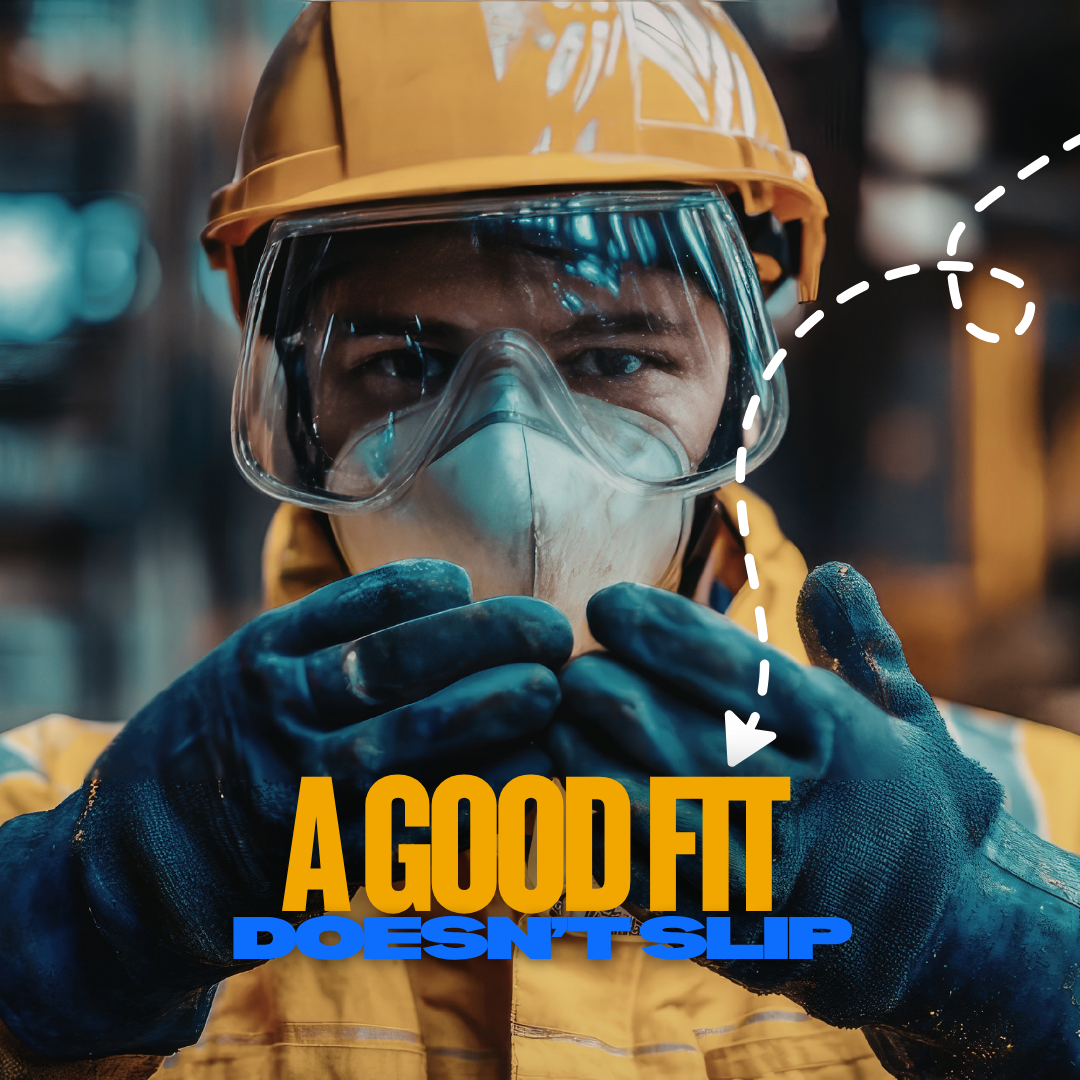
3D scans to model your hands and feet? We have come a long way from our frigid friend Ötzi and his mesh-framed footwear.
But though we have travelled far, we have found ourselves circling back to an essential even Ötzi would be familiar with: protective gear works when it works well for the person wearing it.
People are not products; one size does not fit all. A better fit is a safer fit.
And whether you’re venturing through the Alps 5,000 years ago or locked into a job site today, putting attention and care into better-fitting, properly designed gear is a simple but highly effective step toward a safer future.